
SPECIALISTS

Local Resources
Specialists, resources and providers in the area based on GI Motility related conditions.
MAST CELL ACTIVATION SYNDROME
Johns Hopkins Bayview Medical Center – Allergy & Asthma Center
5501 Hopkins Bayview Circle, 2nd Floor, Baltimore, MD 21224
Phone: 410‑550‑2300
Fax: 410‑550‑3256
Melanie Dispenza, MD, PhD — Allergy and Immunology
Antoine E. Azar, MD — Allergy and Immunology
Torie Grant, MD, MHS — Allergy and Immunology
Eric T. Oliver, MD — Allergy and Immunology
Sarbjit S. Saini, MD — Allergy and Immunology
Jody R. Tversky, MD — Allergy and Immunology
Sucrase Isomaltase Deficiency Breath Tests
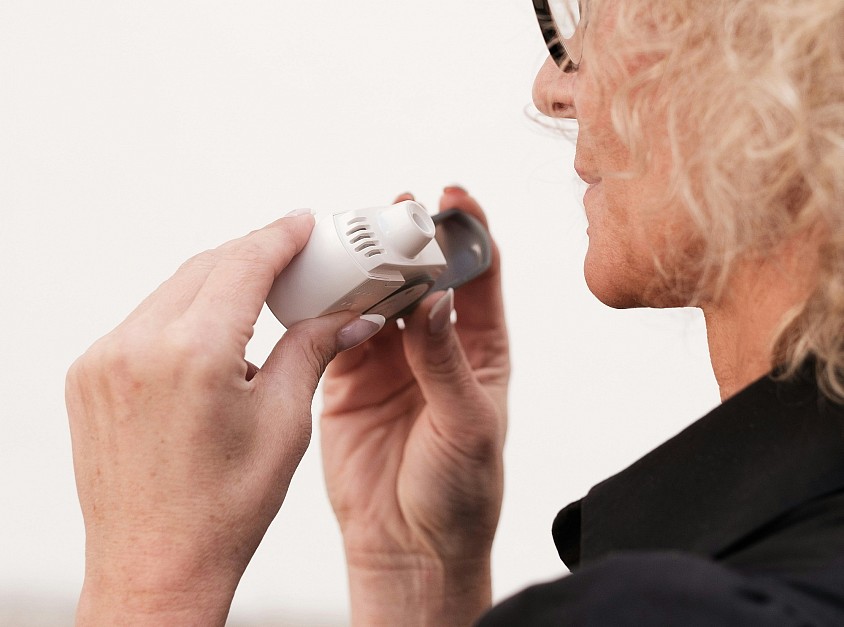
Breath tests
13C-sucrose breath test (13C-SBT)
Metabolic Solutions, 1-603-598-6960
Sucrose hydrogen-methane breath test
Aerodiagnostics™, 1-617-608-3832
Commonwealth Labs, 1-888-258-5966
Metabolic Solutions, 1-603-598-6960
Trio-Smart®, 1-855-888-1230
Food Marble, hello@foodmarble.com
Breath Tests
Glucose Test: Checks for small intestinal bacterial overgrowth (SIBO), where bacteria in the small intestine can cause gas, bloating, pain, diarrhea, or constipation.
If positive: Treatment may include medication to reduce the overgrowth, addressing constipation or slow gut movement, and preventing recurrence.
Fructose Test: Checks whether fructose, a sugar in some fruits, honey, juice, and sweetened foods, is poorly absorbed and fermented by gut bacteria.
If positive: Briefly reduce high-fructose foods, then slowly add them back to find your personal tolerance.
Fructan Test: Checks sensitivity to fructans, carbohydrates found in wheat, onion, garlic, and some packaged foods.
If positive: Briefly reduce high-fructan foods, then slowly add them back to identify triggers.
A positive test is not a food allergy and does not mean you must avoid these foods permanently. The goal is the least restrictive diet that improves symptoms.
Dietitians are genuinely helpful. Studies show that patients working with dietitians achieve better compliance with dietary protocols, higher rates of symptom improvement, and are more likely to complete reintroduction and personalization phases successfully compared to those receiving only physician or self-guided education.
Sources:
Hydrogen and methane-based breath testing in gastrointestinal disorders: the North American Consensus. The American Journal of Gastroenterology, 2017
ACG clinical guideline: small intestinal bacterial overgrowth. The American Journal of Gastroenterology, 2020
AGA clinical practice update on small intestinal bacterial overgrowth: expert review. Gastroenterology, 2020
MCAS POTS EDS
What Is Mast Cell Activation Syndrome (MCAS)
Mast Cell Activation Syndrome (MCAS) is a condition involving repeated episodes of mast-cell mediator release that can affect the gut, skin, breathing, heart rate, and blood pressure.
Symptoms
- Flushing, itching, hives, or swelling
- Diarrhea, cramping, nausea, vomiting, bloating
- Fast heart rate, lightheadedness, fainting
- Wheezing, throat tightness, shortness of breath
- Headache, fatigue, or “brain fog”
Overview
Mast cells are immune cells that release histamine, prostaglandins, leukotrienes, and other chemical messengers. In MCAS, recurrent episodes may involve two or more body systems at once. GI symptoms may feel like sudden cramping, urgent diarrhea, nausea, food-related reactions, or bloating that occurs with flushing or racing heart. Histamine can influence gut motility, intestinal sensitivity, and signaling through the enteric nervous system. Stress and the gut-brain connection, including vagus nerve signaling, may amplify symptom perception but do not independently confirm MCAS. Diagnosis requires objective evidence of mast-cell mediator release during an episode and response to mediator-directed treatment.
Testing
Testing is most useful when collected during or soon after a significant episode and compared with a symptom-free baseline.
- Serum Tryptase: Acute and baseline levels; most specific routine marker.
- Urine N-Methylhistamine: Histamine metabolite.
- Urine Leukotriene E4: Leukotriene metabolite.
- Urine 11β-Prostaglandin F2α: Prostaglandin metabolite.
- KIT D816V Testing: Assesses for clonal mast-cell disease.
- Allergy Evaluation: Identifies IgE-mediated allergy or other triggers.
Common Pharmacological Treatments
- Cetirizine (Zyrtec), Fexofenadine (Allegra): H1 antihistamines for itching, hives, and flushing.
- Famotidine (Pepcid): H2 antihistamine often used for GI symptoms.
- Cromolyn Sodium: Mast-cell stabilizer that may reduce diarrhea, cramping, and bloating.
- Montelukast (Singulair): Leukotriene pathway blocker.
- Omalizumab (Xolair): Considered in selected refractory or allergic presentations.
Diet And Lifestyle
- Keep a symptom, food, medication, and trigger diary.
- Avoid clearly reproducible triggers rather than broadly restricting foods.
- Common reported triggers include alcohol, heat, temperature changes, infections, stress, NSAIDs, and certain foods.
- Use regular meals, hydration, sleep routines, and stress-regulation practices.
- Dietitian support can help prevent unnecessary food avoidance.
Sources
- Mast cell activation syndrome: current understanding and research needs. The Journal of Allergy and Clinical Immunology, 2024
- AAAAI mast cell disorders committee work group report: mast cell activation syndrome (MCAS) diagnosis and management. The Journal of Allergy and Clinical Immunology, 2019
- Anaphylaxis: a 2023 practice parameter update. Annals of Allergy, Asthma & Immunology, 2024
Bile Acid Diarrhea
Lab Test (blood)
7AlphaC4
Blood test for bile acid diarrhea, which is a condition when your digestive bile acid is released in excess in the colon leading to diarrhea. The aim is to look for Elevated concentrations (> 57 ng/mL) which is suggestive of bile acid diarrhea.
- labcorp can do it
Transanal Irrigation
Transanal Irrigation (TAI) is used for neurogenic bowel dysfunction (NBD), low anterior resection syndrome (LARS), and refractory chronic constipation with fecal incontinence after conservative measures fail.
- We often refer to Hopkins Colorectal CRNP
- It is important to be educated on its use
- Patients should follow up a few times with provider to ensure proper use and outcomes
Common Devices:
Peristeen - Peristeen Transanal Irrigation Device Information (Click Here)
Sources
-
The American Society of Colon and Rectal Surgeons Clinical Practice Guidelines for the Management of Fecal Incontinence
https://pubmed.ncbi.nlm.nih.gov/40324433/
- Peristeen® Plus Transanal Irrigation System. https://www.coloplastprofessional.us/coloplast/continence-care/peristeen/peristeen-plus-tai/peristeen-plus-transanal-irrigation-system/?legalconsented=true
Intestinal Methanogen Overgrowth
What Is Intestinal Methanogen Overgrowth (IMO)?
Intestinal Methanogen Overgrowth (IMO) is excess methane-producing archaea in the digestive tract, often linked with constipation, bloating, and slow bowel motility.
Symptoms
- Constipation or infrequent stools
- Hard stools, straining, or incomplete evacuation
- Bloating and abdominal distention
- Abdominal discomfort or cramping
- Excess gas
- Symptoms that may overlap with Irritable Bowel Syndrome With Constipation (IBS-C)
Overview
IMO is not the same as Small Intestinal Bacterial Overgrowth (SIBO). Methane is produced by archaea, which are microorganisms distinct from bacteria and may be present in the small intestine and colon. Higher methane production is associated with slower intestinal transit, so patients often describe feeling “backed up,” bloated, and uncomfortable even when they are having bowel movements. The gut-brain connection can amplify symptoms: stress signaling through the vagus nerve and enteric nervous system may affect motility and visceral sensitivity. Serotonin helps coordinate intestinal movement, while stress-related changes in brain-gut signaling can worsen constipation and discomfort.
Testing
Breath testing measures hydrogen and methane after a carbohydrate drink. A methane level of 10 parts per million or higher at any point during testing supports IMO.
- Glucose Breath Test: Evaluates hydrogen and methane production.
- Lactulose Breath Test: Measures gas production across more of the intestinal tract.
- Anorectal Manometry: Assesses pelvic floor coordination when constipation is difficult to treat.
- Colon Transit Testing: Evaluates for slow-transit constipation.
Common Pharmacological Treatments
- Rifaximin (Xifaxan): Antibiotic commonly used for intestinal microbial overgrowth.
- Neomycin: Sometimes paired with Rifaximin for methane-predominant breath tests.
- Linaclotide (Linzess), Plecanatide (Trulance), Lubiprostone (Amitiza): May improve constipation and stool passage.
- Prucalopride (Motegrity): Supports colonic motility in selected patients.
Common Non-Pharmacological Options
- Dietitian Consultation: Helps individualize food changes without unnecessary restriction.
- Pelvic Floor Physical Therapy Or Anorectal Biofeedback: Helpful when dyssynergic defecation contributes to constipation.
- GI Psychology Or Nerva Digital App: Supports gut-brain symptom regulation.
- Motility Evaluation: Identifies constipation drivers that may coexist with IMO.
Common OTC Options
- Polyethylene Glycol 3350 (Miralax): Osmotic stool softening.
- Psyllium Husk: Soluble fiber that may support stool consistency.
- Kiwi Fruit: Some patients find two daily kiwis helpful for constipation.
- Peppermint Oil (IBgard): May ease bloating or cramping.
Diet And Lifestyle
- Eat regular meals and maintain adequate hydration.
- Increase fiber gradually; rapid increases can worsen bloating.
- Consider a structured, time-limited low-FODMAP approach with a dietitian.
- Support regular movement, sleep, and stress regulation, which can influence gut motility.
- Avoid overly restrictive diets unless there is a clear plan for reintroduction and nutrition.
Sources
- American College of Gastroenterology Clinical Guideline: Small Intestinal Bacterial Overgrowth — https://journals.lww.com/ajg/fulltext/2020/02000/acg_clinical_guideline__small_intestinal_bacterial.9.aspx
- North American Consensus on Hydrogen and Methane-Based Breath Testing — https://pmc.ncbi.nlm.nih.gov/articles/PMC5418558/
- International Foundation for Gastrointestinal Disorders: SIBO — https://iffgd.org/gi-disorders/other-disorders/small-intestinal-bacterial-overgrowth-sibo/